Pumpkin Palooza | Saturday, October 24

Pumpkin Palooza | Saturday, October 24
Every parent starts summer with the same hopeful vision: more sunshine, more family time, fewer rushed mornings. And then, somewhere between the third snack request of the day and the phrase “I’m bored” (again), reality hits.
Summer is long.
While it’s a much-needed break, it can also come with a different kind of pressure—figuring out how to fill long days, keep kids engaged, and maybe even sneak in a little learning along the way.
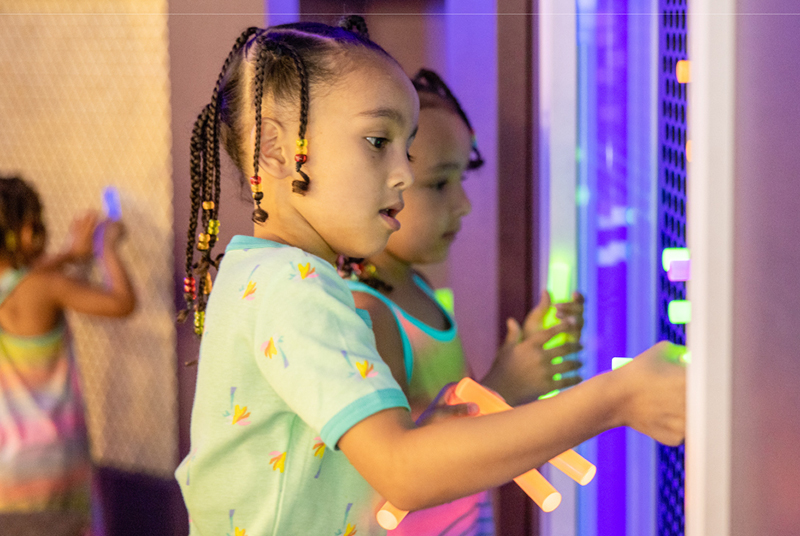
(But It’s Not Just About School)
Research shows that without the built-in structure of school, preschool, or daily routine, kids can lose some of their learning momentum. For older kids, that might look like a dip in reading or math. For toddlers and preschoolers, it can show up as changes in confidence or curiosity.
It sounds intimidating, and if you’ve ever considered buying workbooks to “stay on track,” you’re not alone.
But here’s the good news: it doesn’t have to look like formal learning. From toddlers exploring how things fall, stack, and splash to ten-year-olds experimenting with physics, what kids really need is something that feels like freedom but still fuels their development.
That’s where active play comes in. In fact, many families are already doing more than they realize through everyday play.
Think about the last time your child really learned something.
Was it from being told, or from trying it themselves?
Kids remember what they experience. Building a tower, splashing water, balancing on a beam, these moments stick far longer than a worksheet. It’s called experiential learning, and it’s one of the most powerful ways young brains grow.
At DuPage Children’s Museum, this idea is at the heart of everything. Through play-based learning, children explore, experiment, and discover in ways that feel natural and fun.
When children are actively engaged—touching, building, moving—their brains form stronger connections. To a child, it feels like play. To a parent, it can feel like a small win on a long summer day.
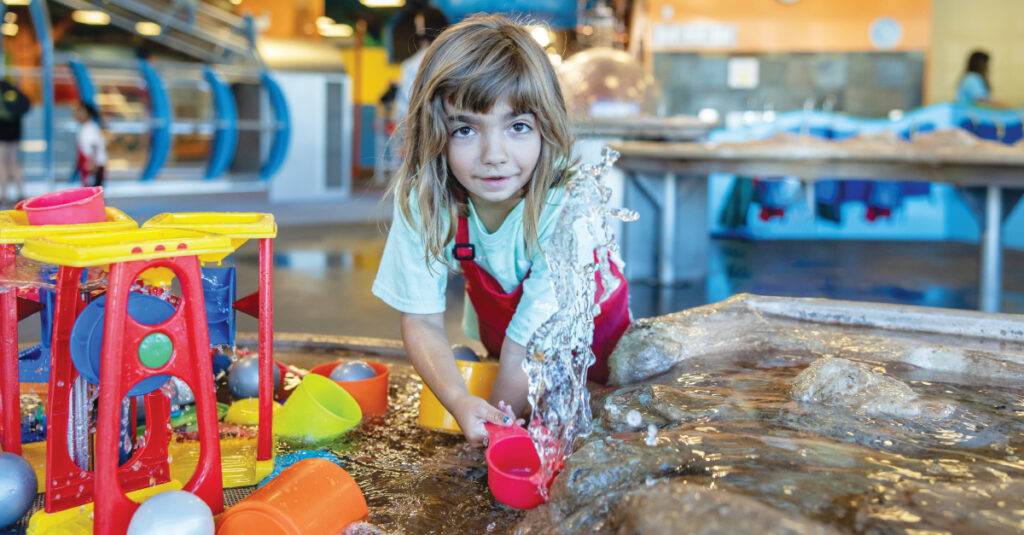
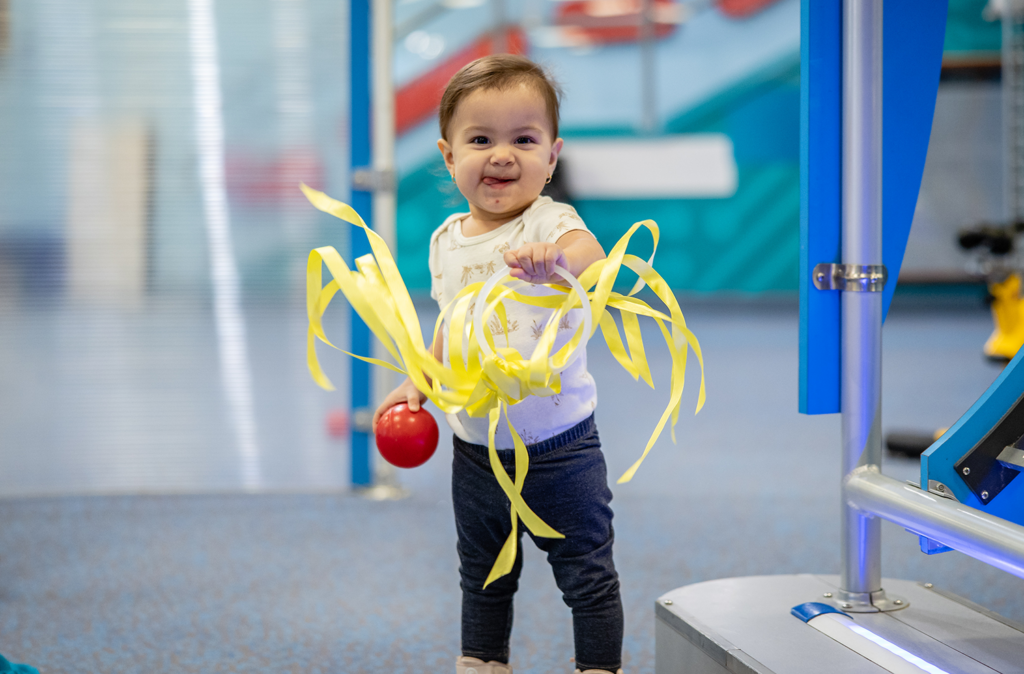
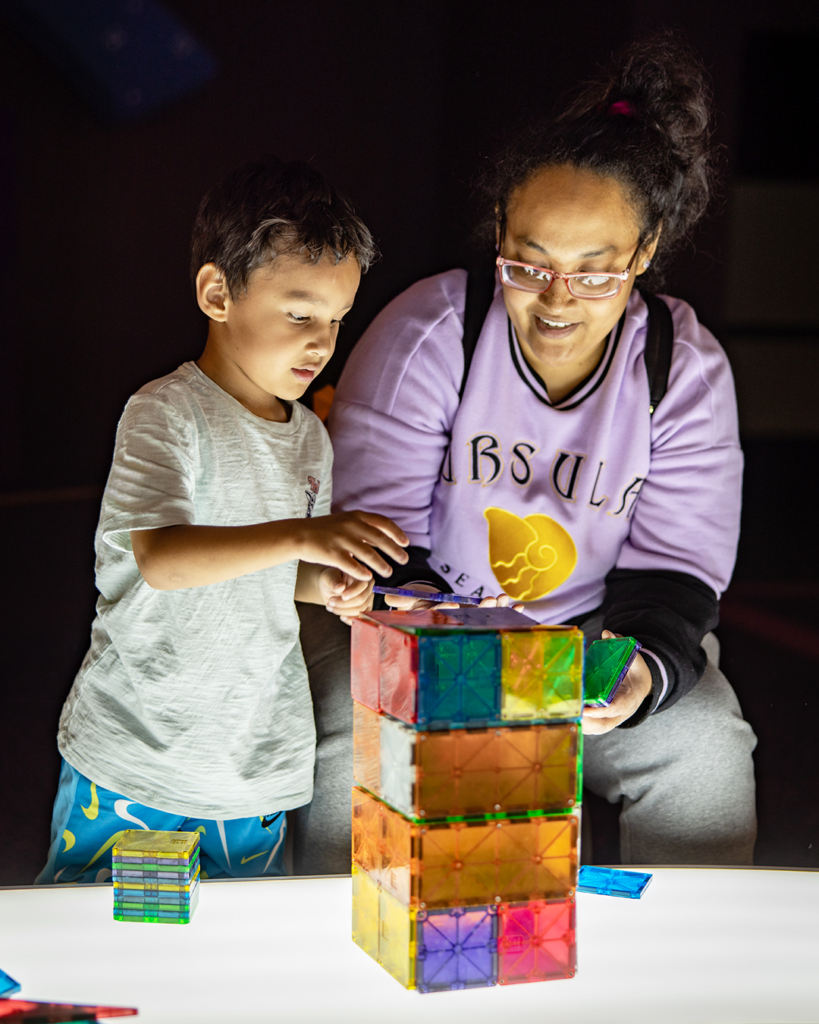
For kids ages 0–10 years, learning isn’t just happening in their heads. It’s happening everywhere.
What looks like simple play is actually layered learning, and at DuPage Children’s Museum, you can see it in action.

Summer learning isn’t just about letters and numbers. It’s also about the skills that help kids thrive in school and in life.
In shared spaces like the Museum’s interactive neighborhoods, children naturally collaborate, negotiate, and solve problems in real time.
These moments might seem small, but they build critical social-emotional skills like empathy, communication, and resilience, without parents needing to step in and manage every interaction.
Not all play is created equal.
While unstructured time at home is important, thoughtfully designed environments can take play to a whole new level. At DuPage Children’s Museum, exhibits are created to spark curiosity and invite deeper engagement.
Instead of being told how something works, kids test it. Instead of following instructions, they ask their own questions.
It’s a place where a water feature becomes an exploration of physics, building becomes engineering, and shared spaces become lessons in teamwork, all driven by curiosity.
It also gives caregivers something just as valuable: a break from being the constant planner, entertainer, and cleanup crew. Messy play stays at the Museum. The setup is done for you, and kids can dive in freely.
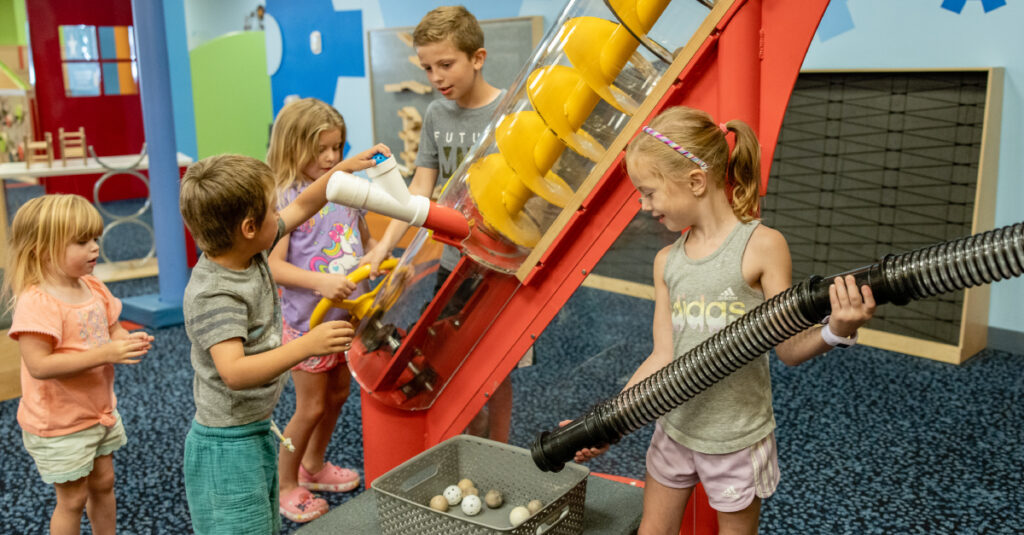
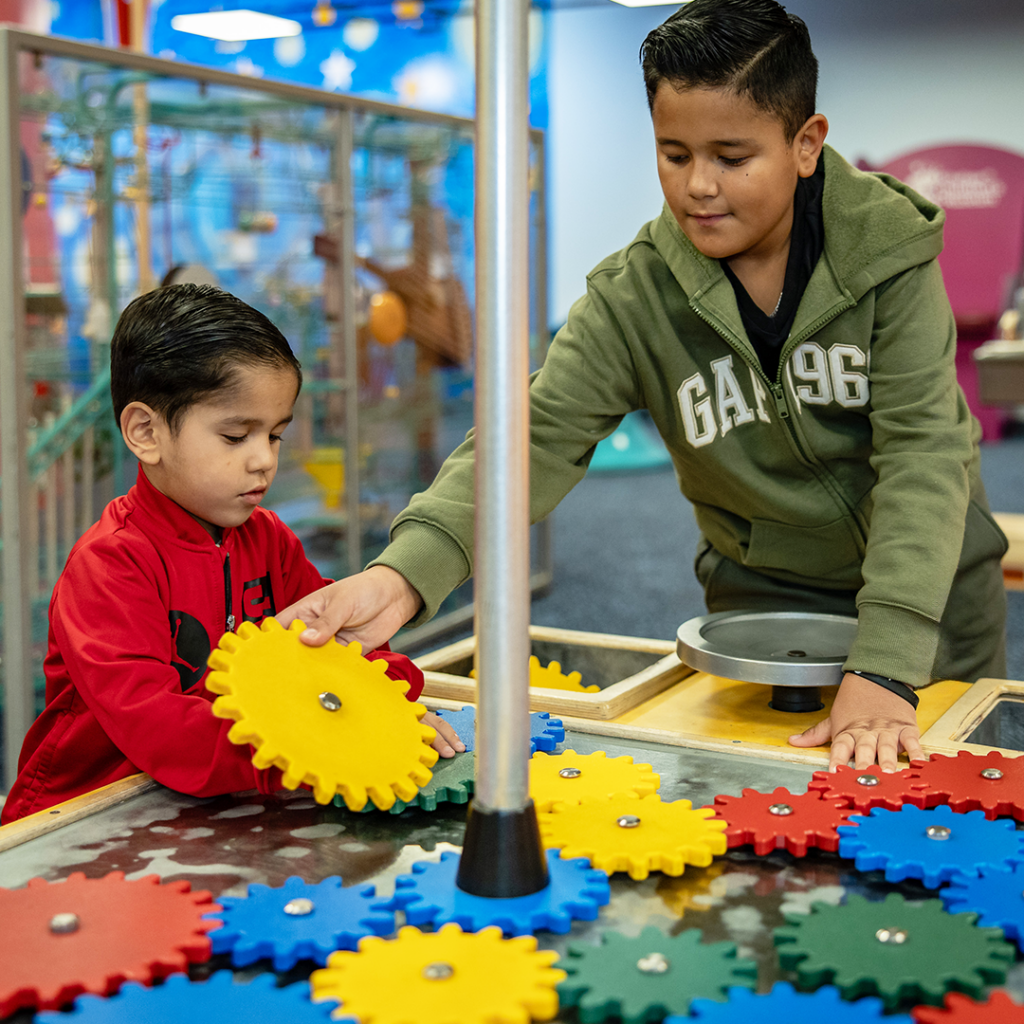
One Space, Endless Possibilities
Finding something that works for every age can be a challenge.
What engages a toddler doesn’t always excite a second grader, and what challenges an older child can overwhelm a younger one.
That’s what makes DuPage Children’s Museum unique. Younger children explore through sensory play, while older kids build, test, and experiment in more complex ways.
The result? Siblings can play side by side, each learning at their own level.
The short answer: it can absolutely help, but not in the way you might expect.
Play supports the same foundational skills as traditional learning, from language and early math to scientific thinking and problem-solving.
And because kids are engaged and curious, they’re more likely to retain what they learn.
In other words, play doesn’t just fill time. It builds brains.
If you’re feeling pressure to “do summer right,” here’s some good news: you don’t need a perfect plan. If your days feel a little unstructured or even a little chaotic, you’re not alone, and that’s often where meaningful play begins.
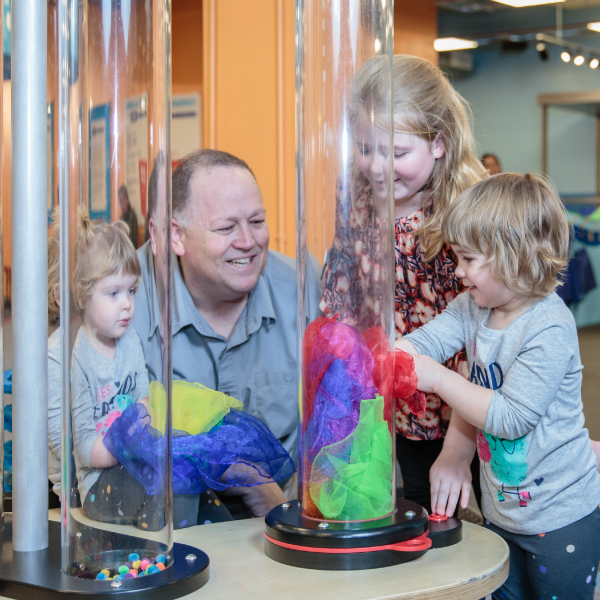
What kids need most is time to explore, try new things, and follow their curiosity. That might look like experimenting with water or building materials, visiting places designed for hands-on discovery, or simply letting kids play together and figure things out.
Because that’s where the real learning happens.
At DuPage Children’s Museum, summer isn’t about adding more to your plate. It’s about giving families a place to play, explore, and enjoy time together.
Through hands-on exhibits and open-ended experiences, children build skills that last far beyond the season.
So the next time you hear “I’m bored,” you don’t have to have all the answers.
Let us take care of the play (and the mess).